Built in a real classroom.
Shared with yours.
classroomtools.io collects the tools behind Teaching After the Feed, an action research project on how students learn in algorithmic culture. Some come straight from the research. Others are simply useful. Every one began as a real classroom problem.

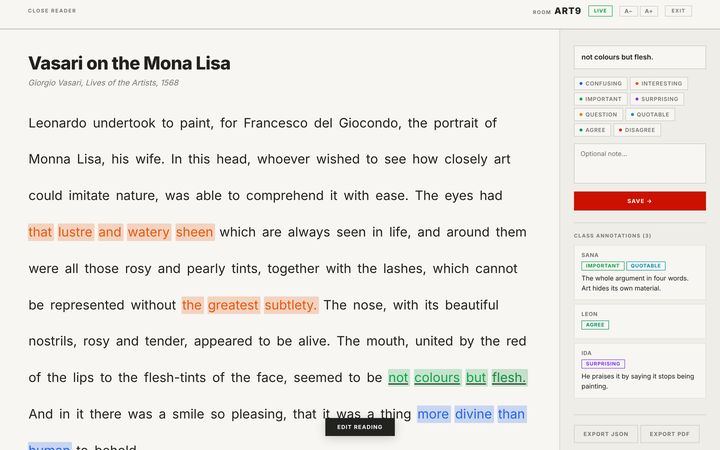
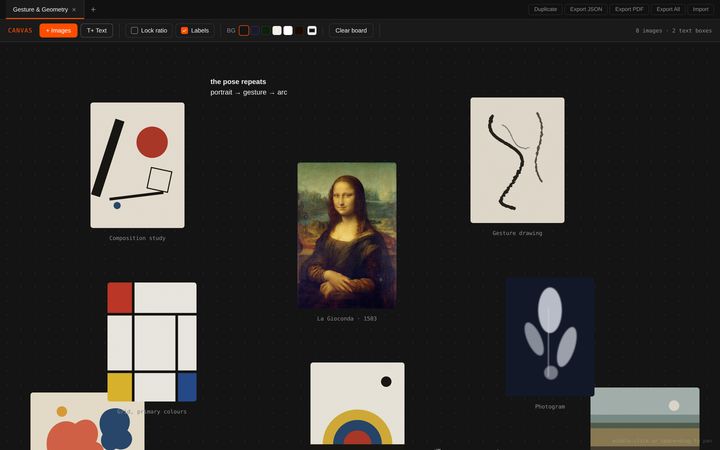
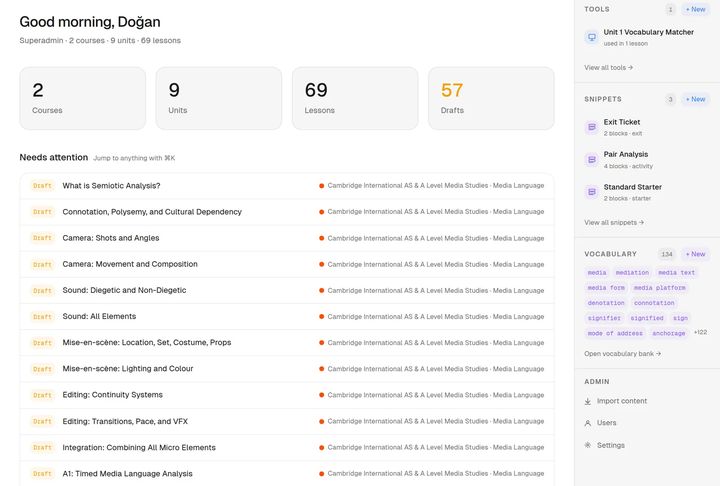
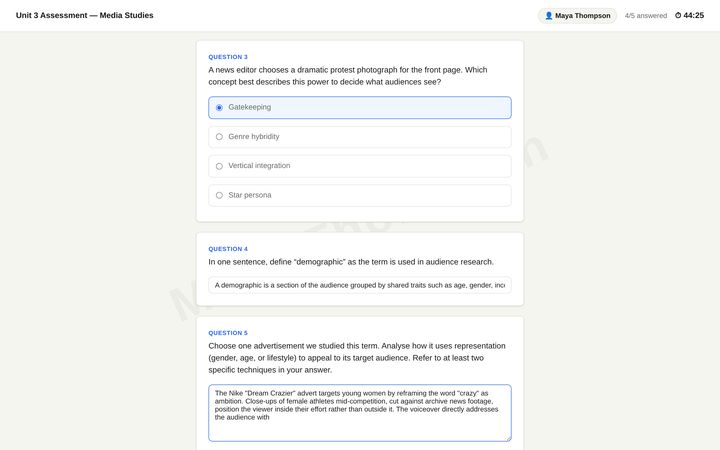
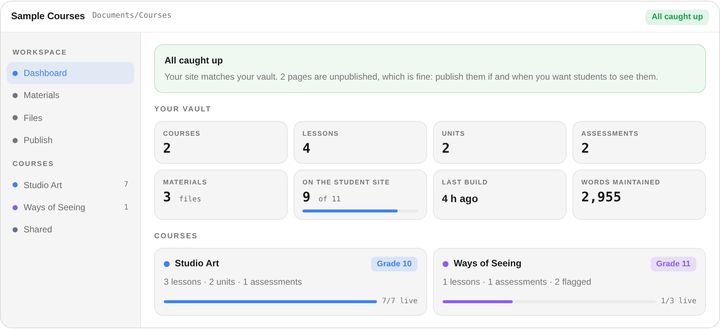
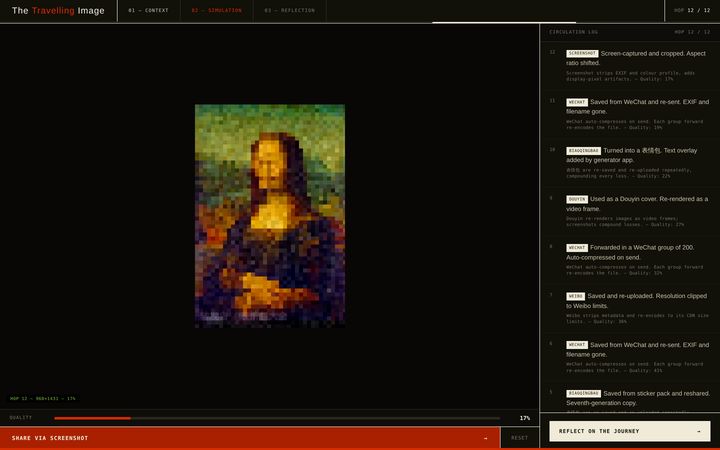
Constellation Board, Cadence LMS, and Close Reading — the real interfaces, in use.
The tools
Small tools, built for one lesson at a time.
Lockdown Browser
TestingFullscreen exams on your local network, no internet required
The research
Two ways to shape a lesson.
Teaching After the Feed runs the same course through two structural models and asks which teacher moves matter, under what conditions.
The lesson is shaped like a curated discovery.
Sequences that borrow the feed’s structural logic — adjacency, contrast, incremental reveal — without handing control to a platform. Students meet examples before explanations.
Constellation Board · The Travelling Image
The lesson is shaped like a library, not a queue.
Archive-first structures that resist novelty in favour of return, reuse, and accumulation. Students begin from a stable reference bank and revisit before new material is introduced.
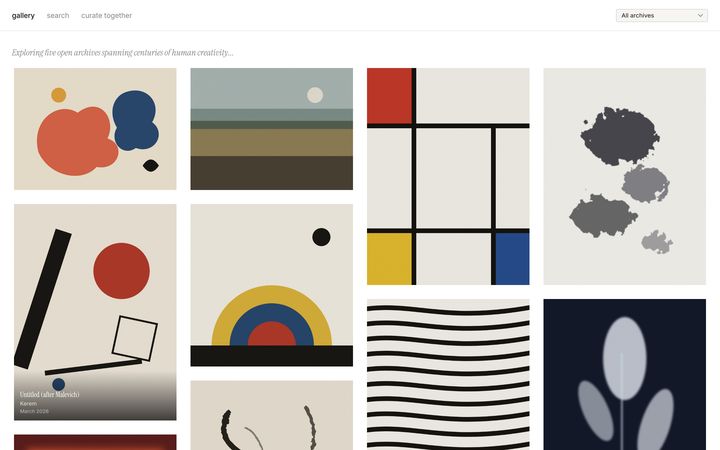
Close Reading · Curatewith.art · Reflow
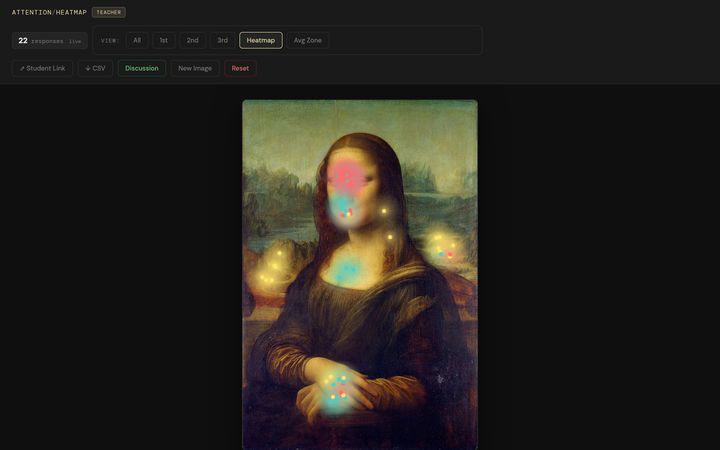
Attention Heatmap and Cadence LMS serve both models; Lockdown Browser and the Invigilation Clock are classroom infrastructure. Read the research →
“The less we teach, the more something else does.”
Venkatesh Rao, Deep Teaching (2025)
Suggest a tool
New tools come from real classroom problems. Describe something that feels broken, repetitive, or missing. Not every idea becomes a tool, but every idea is read.